Switching molecular interactions to control cell division
How can a small chemical change switch protein interactions on or off?
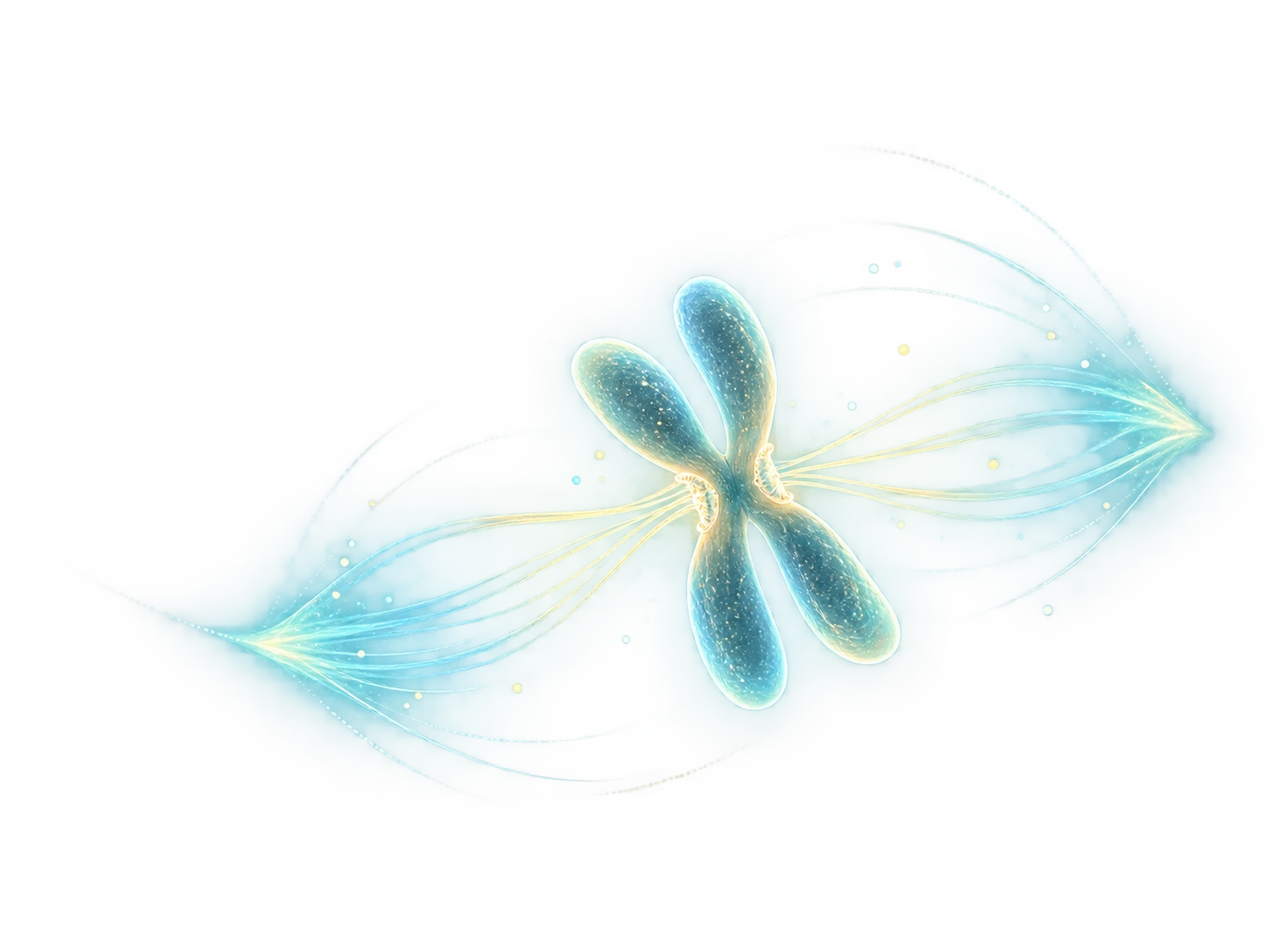
How it works
Cells can quickly change how a protein works by adding a small chemical group called a phosphate. This process, phosphorylation, can alter the protein’s shape or the way it binds to other molecules.
Plk1, an enzyme involved in cell division, has one part that carries out chemical reactions and another that recognizes target proteins. In molecular simulations, we ask whether phosphorylation changes the relationship between these parts and affects target recognition.
We also study whether phosphorylation changes how condensin, a protein complex that organizes chromosomes, interacts with DNA. The broader idea is that a small chemical mark can change where and when a molecular machine acts.
What we want to learn next
Ongoing research / hypothesisThe specific interaction changes we are studying are still hypotheses under test. The next step is to compare simulation results with experiments on cell division.
Related publications & press releases
Mathematical modeling describes how chromosome-shaping factors contribute to formation and separation of chromosomes.
Measurements of individual nucleosomes clarify how condensin activity and contacts within chromatin shape mitotic chromosomes.